Group BOOKING PLATFORM system
Transforming Manual Booking Processes into a Seamless Digital Experience
Transforming Manual Booking Processes into a Seamless Digital Experience
Transforming Manual Booking Processes into a Seamless Digital Experience
WORKFLOW
Research interview
Synthesis
Design
Usability testing
TEAM
Olivier André (Lead designer)
Robin Damiens (Project manager)
Time
2025
12 weeks
PRODUCT
Internal booking software
Success Indicators Through Targeted Metrics
BUSINESS
Revenue growth
Customer Acquisition Cost (CAC)
Customer Lifetime Value (CLV)
Conversation rate
Session Length and Frequency
Market Penetration
USER
Interaction Speed
Customer Satisfaction (CSAT)
Onboarding time
System Stability
Net Promoter Score (NPS)
Understanding the Challenge
"The lack of synchronization between teams and data led to inconsistent offers, pricing errors, and costly back-and-forths, putting both margins and commercial credibility with clients at risk."
"The lack of synchronization between teams and data led to inconsistent offers, pricing errors, and costly back-and-forths, putting both margins and commercial credibility with clients at risk."
Understanding the Current Booking Process
Conversations with tour operators, hotel partners, and internal teams quickly revealed the core issue: a booking process slowed down by manual steps and disconnected tools. While Idefix is used to log bookings, most actions still happen offline. Requests arrive by email or phone, details are entered by hand, availability is confirmed through calls, and any change triggers repeated follow-ups. Reporting requires exporting data from Idefix and manually rebuilding spreadsheets. The result is a slow, error-prone system that keeps teams buried in repetitive operational work.
Understanding the Current Booking Process
Conversations with tour operators, hotel partners, and internal teams quickly revealed the core issue: a booking process slowed down by manual steps and disconnected tools. While Idefix is used to log bookings, most actions still happen offline. Requests arrive by email or phone, details are entered by hand, availability is confirmed through calls, and any change triggers repeated follow-ups. Reporting requires exporting data from Idefix and manually rebuilding spreadsheets. The result is a slow, error-prone system that keeps teams buried in repetitive operational work.
Understanding the Current Booking Process
Conversations with tour operators, hotel partners, and internal teams quickly revealed the core issue: a booking process slowed down by manual steps and disconnected tools. While Idefix is used to log bookings, most actions still happen offline. Requests arrive by email or phone, details are entered by hand, availability is confirmed through calls, and any change triggers repeated follow-ups. Reporting requires exporting data from Idefix and manually rebuilding spreadsheets. The result is a slow, error-prone system that keeps teams buried in repetitive operational work.

Team Interviews: Mapping the Daily Flow
To deepen our understanding of the current workflow, we conducted interviews with a team of 10 members across different roles. These conversations allowed us to map their daily processes, uncover recurring pain points, and identify moments of friction that may not have been visible at first glance.

Improving the Reporting and Analysis Process
This initiative focused on simplifying the reporting and analysis process by reducing fragmentation, clarifying key metrics, and improving data accessibility. The goal was to help teams move faster, make more informed decisions, and rely on reporting as a daily operational tool rather than a constraint.

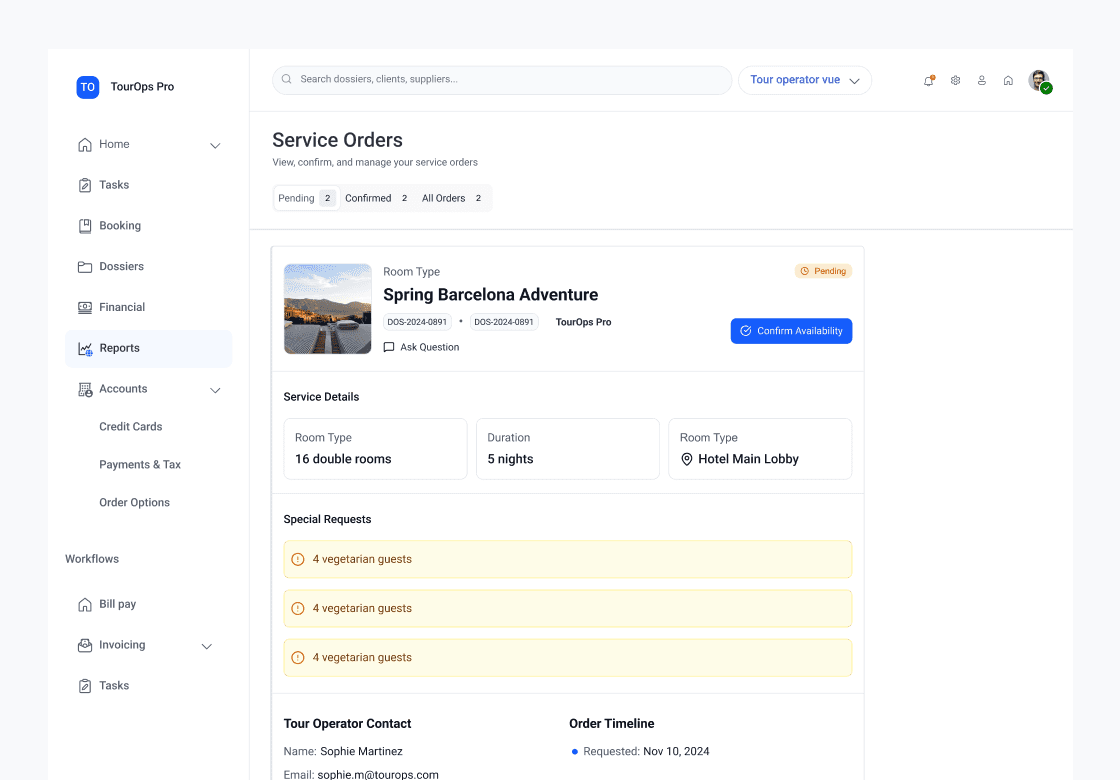
Service Order Overview
Monitor service performance through key indicators such as SLA compliance, delays, and satisfaction scores, giving teams a clear view to detect issues early, understand their impact, and take corrective action to maintain service quality.
Validate
To conduct user interviews, I followed a structured approach that involved identifying the target audience, creating a set of relevant open-ended questions, and engaging in one-on-one conversations to gather valuable insights and feedback regarding their experiences, needs, and preferences.
Validate
To conduct user interviews, I followed a structured approach that involved identifying the target audience, creating a set of relevant open-ended questions, and engaging in one-on-one conversations to gather valuable insights and feedback regarding their experiences, needs, and preferences.

Improving the Reporting and Analysis Process
This initiative focused on simplifying the reporting and analysis process by reducing fragmentation, clarifying key metrics, and improving data accessibility. The goal was to help teams move faster, make more informed decisions, and rely on reporting as a daily operational tool rather than a constraint.
SELECTED WORK
Product Design case studies
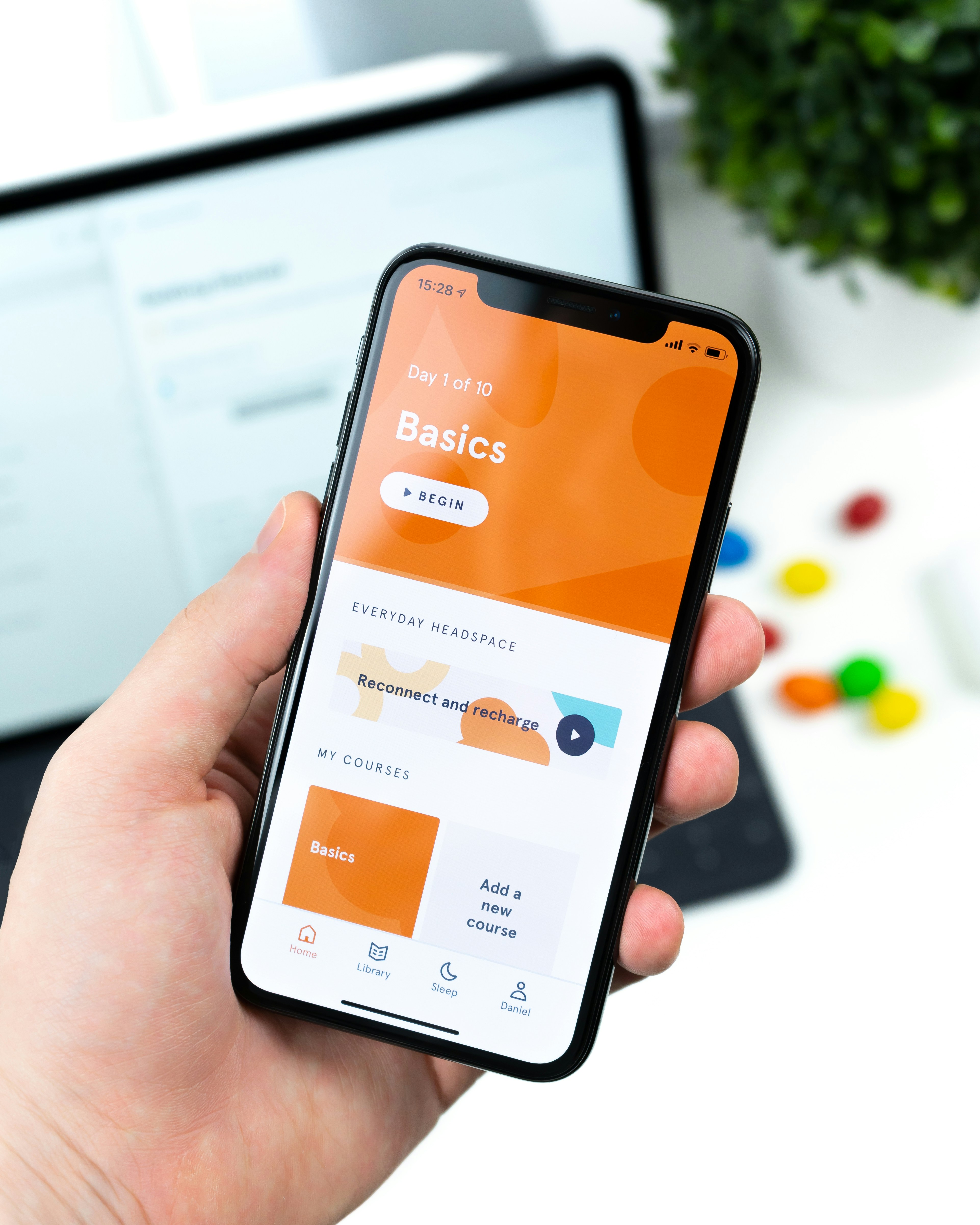
I've gathered a selection of my latest Product Design examples to showcase my expertise


SELECTED WORK
Product Design case studies
I've gathered a selection of my latest Product Design examples to showcase my expertise
SELECTED WORK
Product Design case studies
I've gathered a selection of my latest Product Design examples to showcase my expertise
Validate
To conduct user interviews, I followed a structured approach that involved identifying the target audience, creating a set of relevant open-ended questions, and engaging in one-on-one conversations to gather valuable insights and feedback regarding their experiences, needs, and preferences.
Validate
To conduct user interviews, I followed a structured approach that involved identifying the target audience, creating a set of relevant open-ended questions, and engaging in one-on-one conversations to gather valuable insights and feedback regarding their experiences, needs, and preferences.
Validate
To conduct user interviews, I followed a structured approach that involved identifying the target audience, creating a set of relevant open-ended questions, and engaging in one-on-one conversations to gather valuable insights and feedback regarding their experiences, needs, and preferences.
Team Interviews: Mapping the Daily Flow
To deepen our understanding of the current workflow, we conducted interviews with a team of 10 members across different roles. These conversations allowed us to map their daily processes, uncover recurring pain points, and identify moments of friction that may not have been visible at first glance.
Team Interviews: Mapping the Daily Flow
To deepen our understanding of the current workflow, we conducted interviews with a team of 10 members across different roles. These conversations allowed us to map their daily processes, uncover recurring pain points, and identify moments of friction that may not have been visible at first glance.